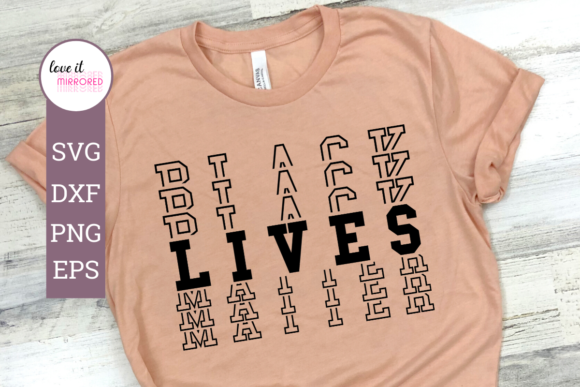
Black Lives Matter Design: A Designer's Real-World Embroidery Review
As a designer who has spent years navigating the intricate world of machine embroidery, I approach every new file with a mix of excitement and skepticism. There is a specific tension between digital perfection and physical reality that defines our craft. When I first encountered the Black Lives Matter Design, I didn't just see a graphic; I saw a statement waiting to be stitched into fabric. This review isn't about the political weight of the message alone, but rather how this specific digital asset translates from a screen to a tangible, wearable piece of art for real projects.
First Impressions: The Mood and Visual Personality
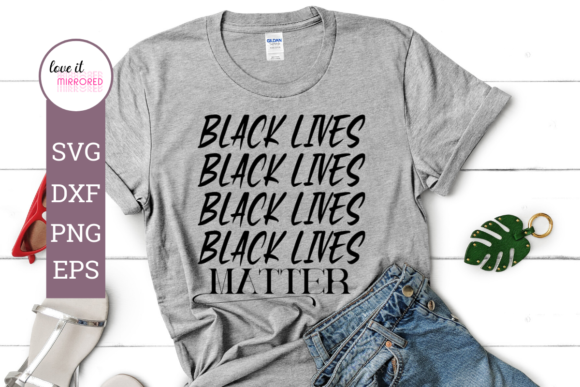
The moment you open the files associated with the Black Lives Matter Mirror Word SVG, PNG, DXF, EPS Cut Files, the design reveals its core strength: clarity. In the realm of text-based embroidery, legibility is everything. This mirror word layout creates a striking visual symmetry that feels intentional and balanced. It doesn't scream for attention through chaotic patterns; instead, it commands respect through clean lines and a powerful central theme.
For a creative entrepreneur or an Etsy seller, the initial mood is crucial. This design carries a tone of solemnity and solidarity. It feels at home on heavy-duty materials like canvas tote bags or structured cotton caps, where the boldness of the text can stand up to the texture of the fabric. However, it also possesses a delicate enough aesthetic to work on softer items like baby onesies or nursery pillow covers, provided the execution is precise. The "mirror" aspect adds a layer of complexity that, when executed well, elevates the finished product from a simple slogan to a piece of custom art.
Real-World Application: From Digital File to Finished Product
I recently tested this design concept on a project for a local boutique client who needed a limited run of embroidered aprons for a community event. The goal was to create something meaningful that customers would keep and use, not just wear once. We selected a high-quality denim apron as the base. The decision to use this design was driven by the need for a strong focal point that wouldn't get lost in the busy environment of a kitchen or workshop.
The transition from the ZIP file to the embroidery hoop required careful planning. The included formats—SVG, PNG, DXF, and EPS—gave us the flexibility to scale the image without losing integrity. For the apron, we opted for a satin stitch finish for the lettering to give it a smooth, raised feel that catches the light. The result was a garment that felt substantial and professional. The contrast between the dark thread and the denim background made the message pop immediately upon entry.
This versatility extends beyond aprons. Imagine this same design on a sweatshirt for a holiday gift, or perhaps on a small patch for a backpack. The design assets are robust enough to handle various applications. For a small shop owner looking to expand their inventory, having a design that works for both commercial embroidery and personal handmade products is invaluable. It bridges the gap between a quick craft fair item and a higher-end boutique product. The ability to mock up the design in black and white before stitching allows you to visualize the density and ensure the text remains readable even on textured fabrics like fleece or corduroy.
Navigating Challenges: Where Caution is Required
While the design is powerful, it is not without its technical hurdles. As an experienced reviewer, I must highlight where this machine embroidery design might struggle if not handled with care. The most critical factor is the surface area. If you attempt to stitch this on a curved surface like a baseball cap, the distortion of the letters can be significant. The mirror effect relies heavily on symmetry, and a warped curve can break that illusion, making the text look distorted rather than artistic.
Fabric choice is equally important. Thin, stretchy fabrics like lightweight jersey or silk require a stabilizer strategy that goes beyond standard cut-away backing. Without proper support, the tension of the stitches can cause the fabric to pucker, ruining the clean lines of the mirror word. Similarly, dark fabrics present a challenge regarding thread color contrast. While black thread on black fabric offers a subtle, tonal look, it risks being invisible unless the lighting is perfect. Conversely, using white thread on a dark background requires high-density fill stitches to prevent the underlying fabric from showing through, which can add bulk and affect the drape of the garment.
Small hoop sizes are another potential pitfall. If you are working on a detailed corner or tiny lettering within a compact frame, the machine may struggle to maintain precision. The density of the stitches in a dense fill area can sometimes cause the needle to deflect, leading to skipped stitches or misalignment. Before committing to a full production run, I strongly advise testing the design on scrap fabric first. This step is non-negotiable for ensuring that the stitch density and thread colors align with your vision.
Impact on Brand Value and Customer Trust
In the world of handmade goods, the quality of the embroidery speaks volumes about the maker. A sloppy stitch job can undermine the perceived value of a personalized gift or a custom apparel item. The Black Lives Matter Design, when executed correctly, signals professionalism and attention to detail. Customers are increasingly discerning; they want products that look polished and feel durable. A well-stitched design suggests that the creator cares about the longevity of the item, fostering trust and encouraging repeat business.
The emotional resonance of the design also plays a role in buyer engagement. People buy these items not just for the utility, but for the connection to the message. When the craftsmanship matches the sentiment, the product becomes more than just merchandise; it becomes a token of shared values. This is particularly true for holiday embroidery or special occasion gifts where the recipient expects a level of excellence. A clean, clear execution ensures that the focus remains on the message, not on technical flaws.
Practical Notes for the Modern Maker
To ensure success with this design, there are several practical steps every designer should take. First, verify the licensing terms before selling any finished items. The inclusion of multiple file formats (SVG, PNG, DXF, EPS) is excellent for versatility, but understanding the commercial rights is essential for protecting your craft business.
Always inspect the small details in the source files. Sometimes, what looks good on a screen can reveal jagged edges or thin lines that are difficult to stitch. Use a stabilizer appropriate for your fabric type to prevent shifting. If you are creating an embroidered patch, consider adding a border or backing to reinforce the edges. For tote bag designs, test the durability by washing the sample to ensure the threads hold up against friction and water.
Finally, compare light and dark fabric backgrounds during the mockup phase. This will help you decide on the best thread palette to maximize visibility and impact. Whether you are a hobbyist creating a baby embroidery project or a seasoned Etsy seller preparing for a busy season, taking the time to plan your approach will pay off in the final presentation. The Black Lives Matter Design offers a powerful canvas for expression, but it is the maker's skill that brings it to life.